The Best Decking Materials for Boat Docks
Compare the best decking materials for boat docks, including pressure-treated wood, cedar, composite, PVC, and aluminum.
From water exposure to UV rays, docks take a beating, so it's important to choose a decking material that can withstand the rigors of everyday use. But with so many decking material options to choose from, making a final decision for your marine build can be challenging.
That's why we’ve put together this high-level guide to show you the pros and cons of different decking options, as well as what to keep in mind when buying.
The 6 Most Important Factors to Consider
Building a dock involves unique considerations; unlike land-based decks, boat docks must withstand the constant influence of water and the everyday wear and tear of your recreational activities, whether they be boating, kayaking, fishing, or just lounging. Keep these factors in mind as you weigh the pros and cons of various decking materials:
- Water-resistance: From warping to rot, your dock needs decking materials that will last wave after wave.
- Maintenance: You don't want to build a dock that requires constant maintenance and monitoring. Look for low-maintenance materials to reduce the impact of seasonal upkeep.
- Reliability: Are your deck boards backed by a warranty? How well can they stand up to storms, boat launches, rising tide, and more?
- Durability: Your boat will undoubtedly scrape against your dock trip after trip. Make sure your decking materials can resist the scratches, splintering and fading that could come from regular use.
- Style: Apart from being practical, your decking material should match your vibe, too. A material with varied color and style options will give you room to personalize it to your preferences.
- Cost: Your budget is arguably the most important factor in choosing the right decking material for your dock, but don’t forget to think long term. Paying more upfront for a higher-quality material could mean significantly lower repair and replacement costs down the line.
Choosing the Right Dock Decking for You
Although there's no singular "best" decking option for everyone, there are materials better suited to your specific circumstances. Your environment, budget, and intended use will all steer you toward (or away from) certain materials.
Composite Decking

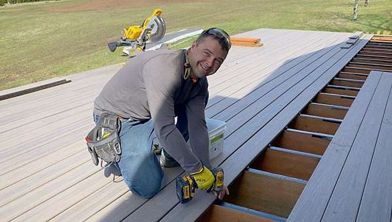
Composite dock decking is a popular option made from recycled materials and known for its durability, water-resistance, and natural look. Composite marine decking is often chosen because it’s visually similar to wood (but requires far less maintenance and lasts longer).
Trusted brands that offer composite decking for docks, like Trex, can stand up to rot, scratches, fading and more, even with daily use. Trex's composite deck boards are highly durable, built to withstand the rigors of a marine environment while elevating your dock's visual appeal.
Is composite decking marine grade?
While not all composite decking is necessarily marine grade, Trex composite dock decking is. This high-quality composite material can be fully submerged, doesn't fade in the sun, and resists the effects of salt and sand.
Pressure-Treated Wood
Commonly chosen for its low cost, wide availability, and familiarity, pressure-treated wood boards are a go-to for many builders on land. But this material faces unique challenges against water, especially compared to alternatives.
Particularly in marine environments, pressure-treated wood requires significant upkeep. Without yearly sealing, it’s prone to rotting, warping and splitting. This can increase your overall maintenance costs and shorten the lifespan of your boards (especially in salt or brackish water).
Cedar
While pressure-treated wood is highly prone to rot and insect damage, cedar deck boards have a natural resistance to both, thanks to their natural oils. On the other hand, cedar is a softwood, making it more susceptible to physical damage like scratches, dents, and splinters than its pressure-treated counterpart. This, combined with a higher upfront cost, can lead to a high overall lifetime investment to maintain these boards.
PVC Decking
Made from a plastic polymer, PVC decking offers high durability in marine environments and waterproof peace of mind. Similar to composite, this dock decking offers moisture resistance, low maintenance, and a consistent appearance.
Aluminum Decking
Aluminum dock decking is a distinctive material. It is commonly used on docks because of its extremely high durability, moisture resistance, and minimal maintenance needs. However, it comes with special considerations.
The metal material means this decking option can be loud, particularly when struck by objects or even waves. Aluminum also gets very hot in the sun, has limited style options, and is the most expensive material on this list. For some, this material’s sheer reliability and durability are enough to counteract these factors; still, it may not be the best choice for everyone.
Don’t Forget About the Other Parts of Your Dock
While your decking choice is one of the most prominent materials to consider when building your dock, it’s not the only one. Other elements of your dock structure will also determine its longevity, safety, and long-term value.
Railing
- ust like on a land-based deck, railing is key to safety when using your dock (perhaps even more so in some cases due to the risks associated with falling into water. It’s crucial to keep corrosion resistance, railing visibility, and overall safety in mind when choosing.
Materials like aluminum railing, for example, can provide safety and longevity for your structure. And if you pull inspiration from dock railing ideas, you can find the perfect railing for your dock that combines both aesthetics and practicality.
Hardware
Even with the highest-quality decking materials, your dock structure is nothing without compatible marine hardware. Due to the impact salt and moisture can have on some metal hardware, corrosion-resistant hardware is essential for marine settings. Improper hardware can cause loose boards or break off inside the decking, cutting your dock's lifespan short.
Options like stainless steel and hot-dip galvanized steel have superior corrosion protection that can withstand marine conditions. But when in doubt, use hardware built specifically for your decking materials.
Submerge Your Fears With a Structure That Lasts
You want decking materials that will stand the test of time, but those metrics are different when it comes to building a dock. In your search for the right decking, railing, and hardware, don’t forget to choose materials suited to a marine environment and capable of withstanding heavy wear and tear.
For more information on how Trex decking stacks up as a dock material, order a sample to see it in action.
100% Submersible Decking for Docks – built to thrive in both salt and fresh water.
%20TREE%20IMAGE:Related-Article)

This content was partially or fully generated by AI and has been reviewed by our team to ensure accuracy and relevance.


Copyright © 2026 Trex Company, Inc. All rights reserved.
Photos and videos © 2026 Warner Bros. Discovery, Inc. or its subsidiaries and affiliates. All trademarks are the property of their respective owners. All rights reserved.
- Country
-
Australia
-
Austria
-
Bahrain
-
Brazil
-
Canada English
-
-
Chile
-
Colombia
-
Costa Rica
-
Cyprus
-
Czech Republic
-
Fiji
-
France
-
Germany
-
India
-
Ireland
-
Israel
-
Kuwait
-
 Lithuania
-
Mexico
-
Netherlands
-
New Zealand
-
Norway
-
Oman
-
Qatar
-
Saudi Arabia
-
South Africa
-
Spain
-
Sweden
-
Switzerland
-
Turkey
-
United Arab Emirates
-
United Kingdom
-
United States
-
Venezuela
By choosing your country, you acknowledge that you have read Trex's Privacy Policy


